


Most leaks and failures in medium and high-pressure fluid systems are avoidable. They rarely come from faulty components, instead they come from small, repeated errors in preparation, installation, inspection, and maintenance.
Regulatory inspections of small-bore tubing systems have consistently found that around one in four fittings inspected contain faults1, such as incorrect installation, under-tightness, or mismatched components. Hydrocarbon release data indicates that 40% of dangerous incidents offshore are leak related1, with 50–70% of those incidents have human factors at their core1.
In other words: how systems are built, inspected, and maintained really matters.
At Swagelok Central UK, we see the same issues again and again when we visit sites and deliver training. Below are ten of the most common avoidable errors and how Swagelok® Essentials Training helps reduce the risk.
1. Incorrect tube preparation
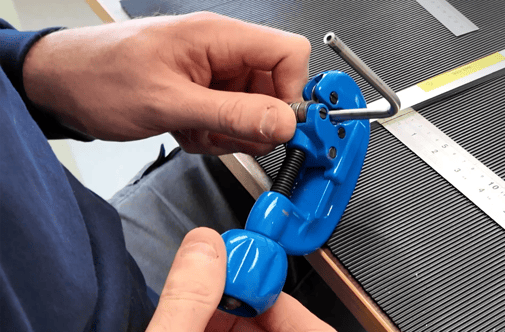
Poor or angled cutting, incomplete deburring, and contaminated tube ends are among the most common root causes of leaks and failures. Even a small burr or scratch can damage sealing surfaces and compromise performance.
How training helps: Swagelok® Essentials Training shows technicians exactly what ‘good’ looks like, from clean, square cuts and correct deburring, to correct handling practices that prevent damage. Delegates get hands-on practice preparing tubes correctly before they ever reach a fitting.
2. Incorrect pull‑up of fittings
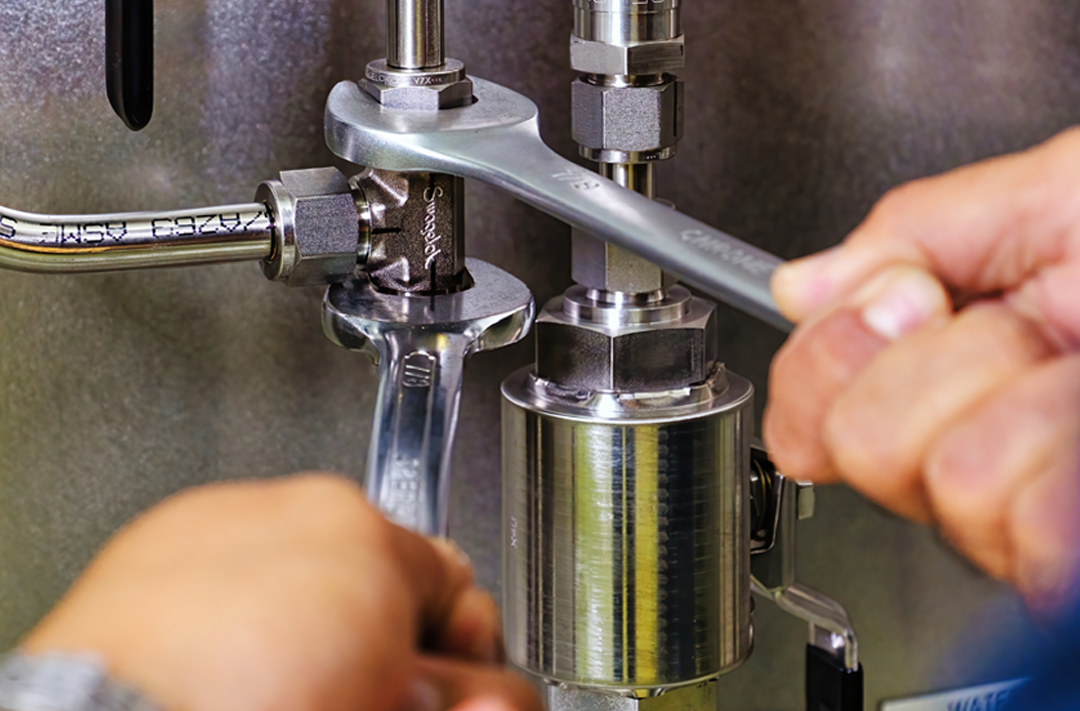
Over-tightening, under-tightening, and ‘tightening by feel’ instead of using a standardised method are major contributors to leaks and blowouts. HSE inspections have repeatedly found that roughly 26% of fittings checked have installation-related faults1.
How training helps: Swagelok® Essentials Training replaces guesswork with a clear, repeatable pull-up method. Participants learn how to make and remake fittings correctly, and how to verify installation quality using simple inspection techniques.
3. Poor tube routing and support
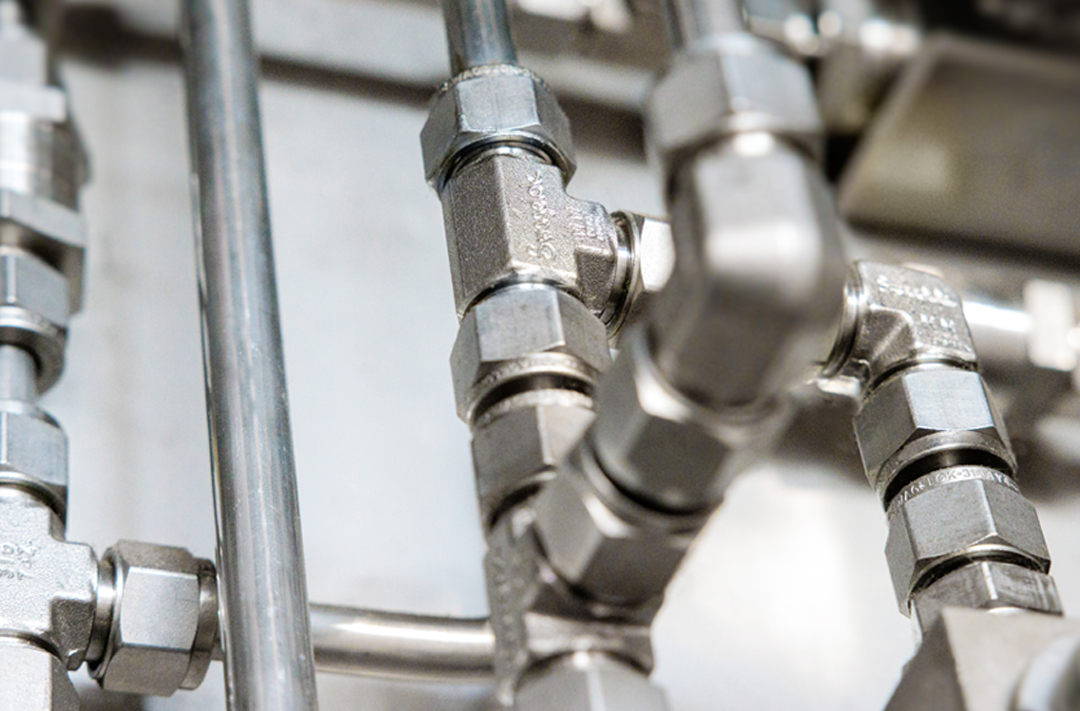
Routing that ignores vibration, access, or expansion and tubing combined with inadequate support, is a common cause of fatigue failures and leaks over the long term. It also makes systems harder to inspect and maintain.
How training helps: Essentials courses on tube bending, routing, and support help teams design and install neater, safer systems: optimised bend locations, correct support spacing, and layouts that are easier to access and modify.
4. Mixing and reusing components
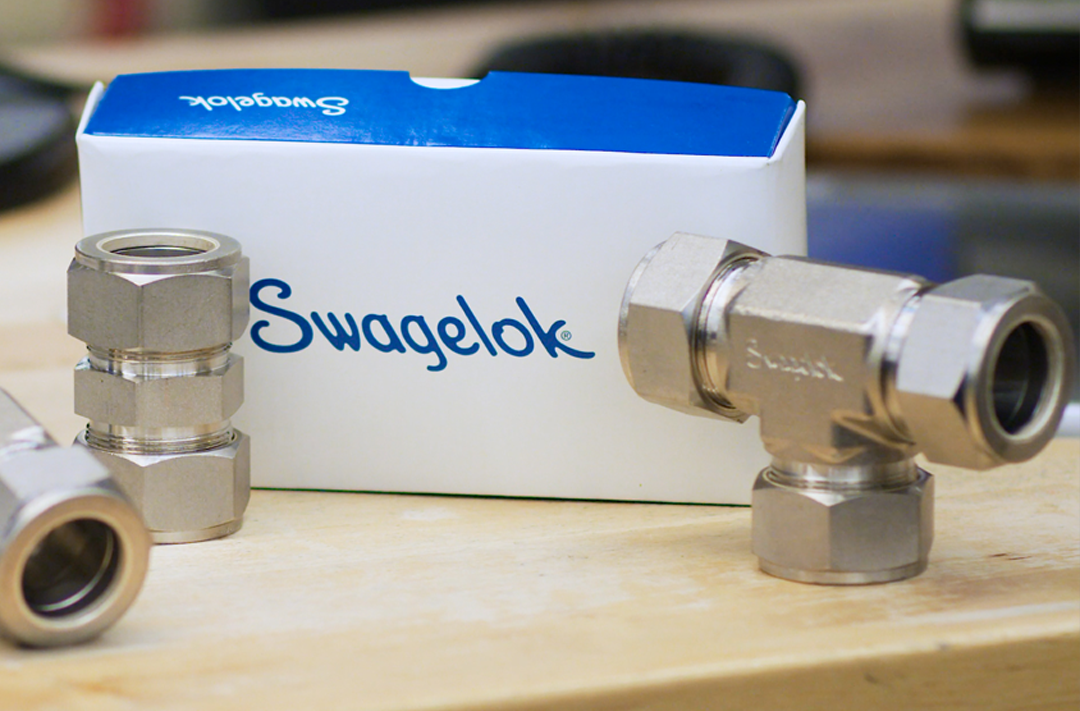
Combining incompatible components or reusing ferrules and fittings might look efficient in the short term, but it introduces real risk. Mismatched geometries, unknown history, and hidden damage all increase the chance of leaks under pressure or vibration.
How training helps: Swagelok® Essentials Training clarifies what can and cannot be reused, how to spot mixed or incompatible components, and how standardisation across sites reduces failures and simplifies maintenance.
5. Unsafe inspection and verification practices
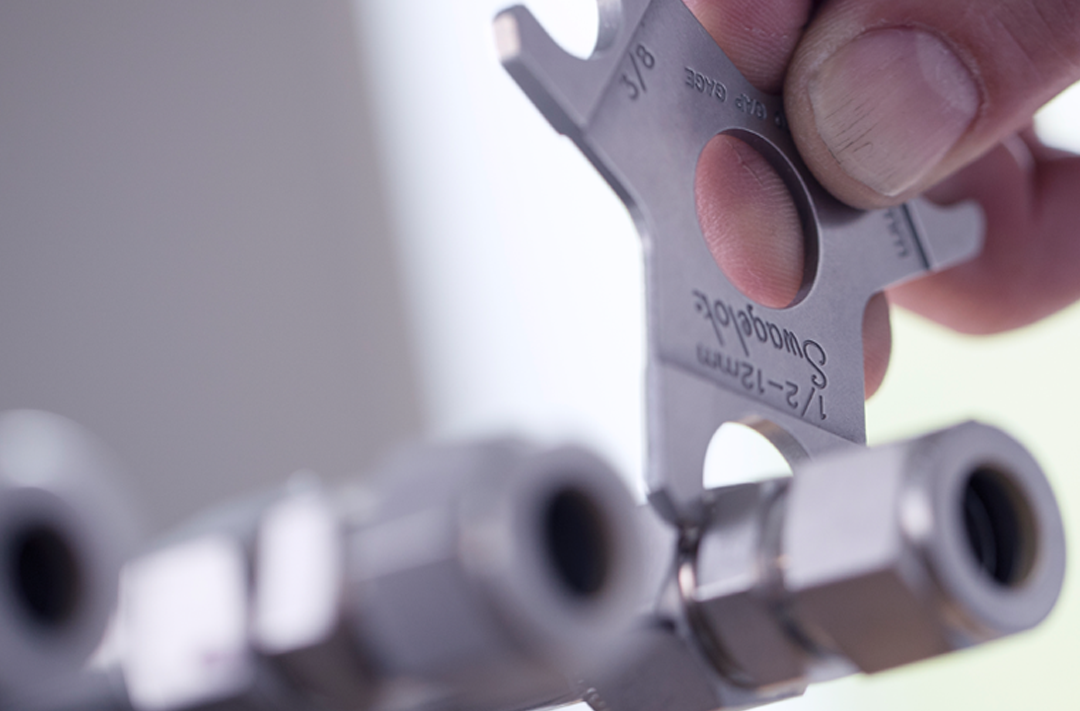
Many plants invest in good components but lack a robust approach to inspection. Without a structured method, under-tightened fittings, poor routing, or missing supports can easily be missed until there is a leak.
How training helps: Essentials Training equips engineers and technicians with practical inspection skills: how to assess new and existing installations, recognise early warning signs, and build simple, repeatable checks into commissioning, handover, and routine rounds.
6–10: More avoidable errors we regularly see
Once you look beyond those five headline issues, several other patterns show up out in the field:
6. Improper disassembly and reassembly
Working on systems that are not fully isolated, partially dismantling fittings, or remaking without following a defined method can all introduce new faults
7. Insufficient safety checks at handover and commissioning
Time pressure can lead to rushed or incomplete checks, allowing under-tightened fittings or poor routing into service
8. Overuse of fittings instead of bends
Using fittings where a simple bend would do increases leak paths and can reduce efficiency. This is often due to a lack of tube bending confidence rather than design intent.
9. Insufficient tube support
Long, unsupported spans subjected to vibration shorten tube life and increase the risk of fatigue failures and leaks.
10. Neglecting cleanliness and routine maintenance
Debris left in systems, no structured leak detection programme, and reactive rather than proactive maintenance all add avoidable cost and risk. Studies show 20–30% of compressed air 2 in typical plants is lost to leaks alone. Swagelok® leak detection audits have identified hundreds of leaks in single facilities, with annual savings in the hundreds of thousands once fixed.
Turning best practice into everyday practice
The common thread across all these issues is people and process, not product. When engineers, technicians, and contractors have a shared, proven way of:
- Preparing tubes
- Installing and remaking fittings
- Routing and supporting tubing
- Inspecting and maintaining systems
…the number of leaks, failures, and rework events drops – and system safety and reliability improve.
Swagelok® Essentials Training is built to create exactly that capability:
- Modular courses that cover tube preparation, fitting installation, tube bending and routing, and inspection
- Hands-on, practical learning using real hardware and real-world scenarios
- A structured pathway that can be rolled out across teams, sites, and contractors
Next steps with Swagelok Central UK
If you’re seeing reoccurring leaks, failures on inspection, or inconsistent installation quality across your sites, we can help you pinpoint the root causes and build the right skills in your team.
- Talk to us about Swagelok® Essentials Training for your maintenance, project, or contractor teams
- Or ask about on‑site system and leak evaluations to quantify your current risk and savings potential
Ready to build confidence in every connection?
Contact Swagelok Central UK to discuss the right Essentials Training pathway for your team.
Sources
1 and 2: How Training Can Minimise Risk on Oil and Gas Platforms - Swagelok
3: Tech Talk: Detecting & Preventing Leaks - Swagelok Northwest (US)
