
Open sampling: a legacy practice with built-in exposure
Open or ‘grab’ sampling, where an operator manually draws a sample into an open container, is still common across the sector. It’s simple, familiar, and often cheap to install. It also means that, for the duration of the draw, the sample path is open to atmosphere, and the operator is in direct proximity to the process fluid.
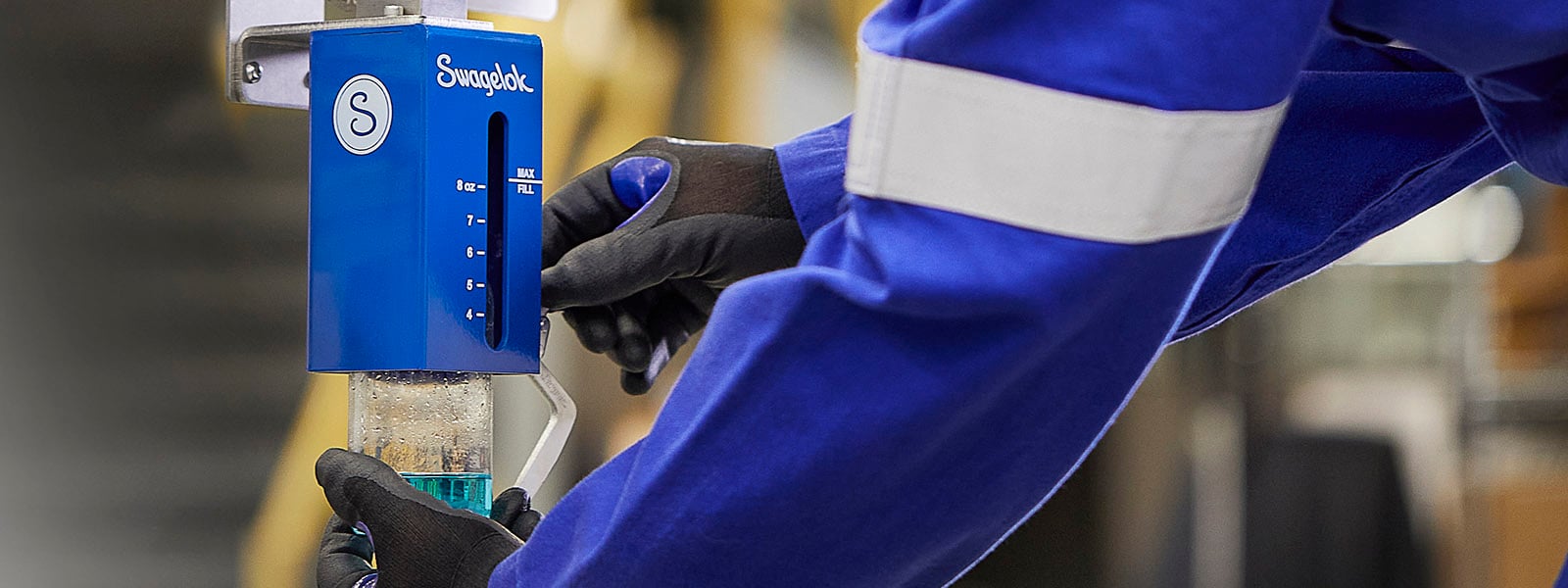
For hydrocarbons, toxic gases, high-pressure streams or anything carrying H2S, that proximity carries real consequences:
- Operator exposure
Vapours, splashes and aerosols released during an open draw can expose the operator to toxic, flammable or otherwise hazardous material, even when the system is behaving normally and no fault has occurred. - Environmental release
Every open draw vents some quantity of process fluid into the atmosphere. Individually small, these releases accumulate across a plant’s sampling points and contribute to fugitive emissions that are increasingly scrutinised by regulators and site HSE programmes alike. - Contamination risk, in both directions
An open sample point can pick up ambient moisture, dust or oxygen that skews the result, and it can just as easily let hazardous material reach the surrounding area. The isolation failures we covered in blog 1 become harder to avoid, not easier, when the system is open by design. - Inconsistent technique
Grab sampling depends on the individual doing the draw. Timing, volume, container handling and purge practice all vary person to person, shift to shift, which undermines the representativeness that the rest of the sampling system has been engineered to achieve.
None of this means open sampling is always wrong.
For low-hazard, low-consequence applications, it can be a proportionate choice. But for oil, gas or chemical processes where the sampled fluid carries genuine safety or environmental consequence, it’s worth asking whether exposure is a risk the plant still needs to be taking.
What difference does closed-loop sampling make?
A closed-loop sampling system maintains a contained flow path between the process take-off and a designated return point. Where a physical sample is required, a suitably designed closed sampling assembly can transfer fluid into a sealed cylinder or container, minimising operator exposure and atmospheric release during normal operation.
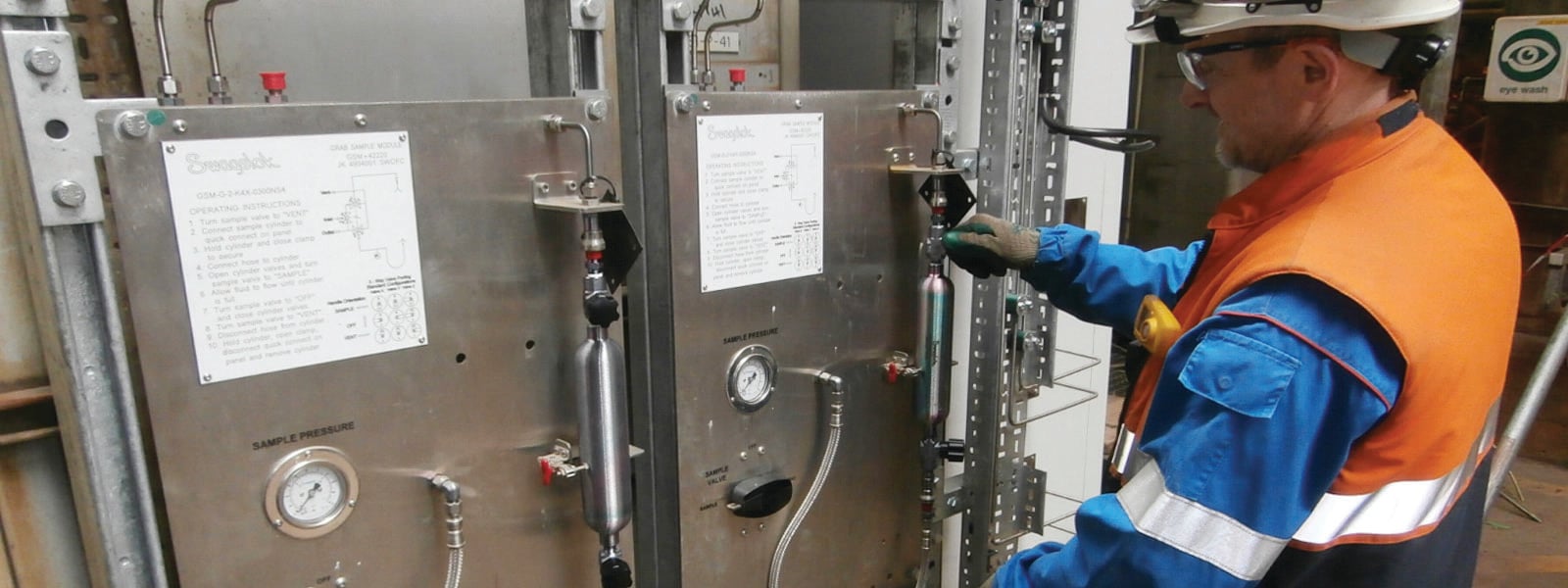
That containment addresses the same four risk areas:
- Exposure reduction
By containing process fluid during routine sampling, closed systems reduce the potential for operator exposure. They also provide an engineered barrier that complements PPE, training and operating procedures, rather than relying on those measures alone. - Containment
Fugitive emissions associated with the sampling point itself are substantially reduced, since the fluid never has an open path to atmosphere during a normal sampling event. - Representative samples
A properly engineered closed sampling system can improve repeatability by providing a controlled flow path and reducing opportunities for contamination during sample collection. When combined with appropriate sampling point selection, transport design and operating procedures. This helps support timely and representative results, two of the criteria from our earlier Analytical System Integrity Checklist rather than depending on how carefully any one operator performs the draw. - Operator safety, by design rather than procedure
Containment reduces reliance on PPE, training and procedural discipline as the primary safety barrier. The hazard is engineered down rather than managed around.
Where this fits into the bigger picture
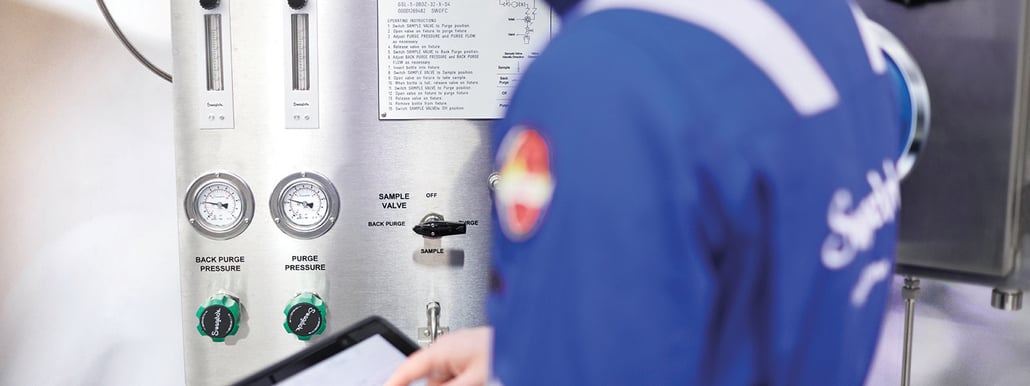
Closed-loop sampling isn’t a separate discipline from the sampling system design we’ve discussed across our Analytical Instrumentation series. It’s an extension of the same principles.
A tap located for representativeness, a transport line sized to minimise lag, and a conditioning system that avoids phase change, all of that engineering is undermined if the final step still exposes the sample, and the operator, to atmosphere.
Reviewing sampling points with safety and containment in mind, alongside accuracy and reliability, often uncovers risk that’s been accepted as “how it’s always been done” rather than evaluated against what’s now possible.