

1. Access: can the fault actually be reached?
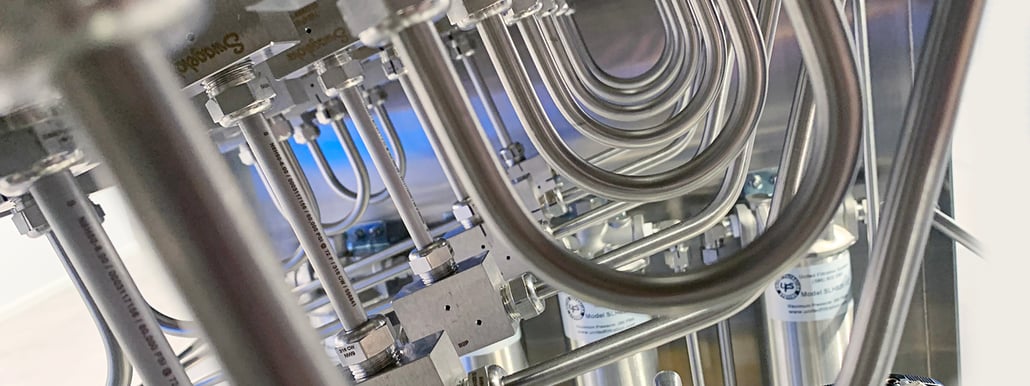
Compact cabinet layouts save panel space at commissioning, and that's a legitimate design priority. What's easy to underestimate at that stage is how much tool clearance and working space a repair will need once the cabinet is live and under time pressure.
Tight layouts and stacked components can turn a five-minute job into a half-day one, not through any oversight, but because access needs are hard to picture fully before the system has actually been serviced a few times.
Fix: design for tool clearance, visibility and physical reach around every component that will ever need attention, not just the ones expected to fail first.
2. Isolation: can it be worked on safely, without shutting everything down?
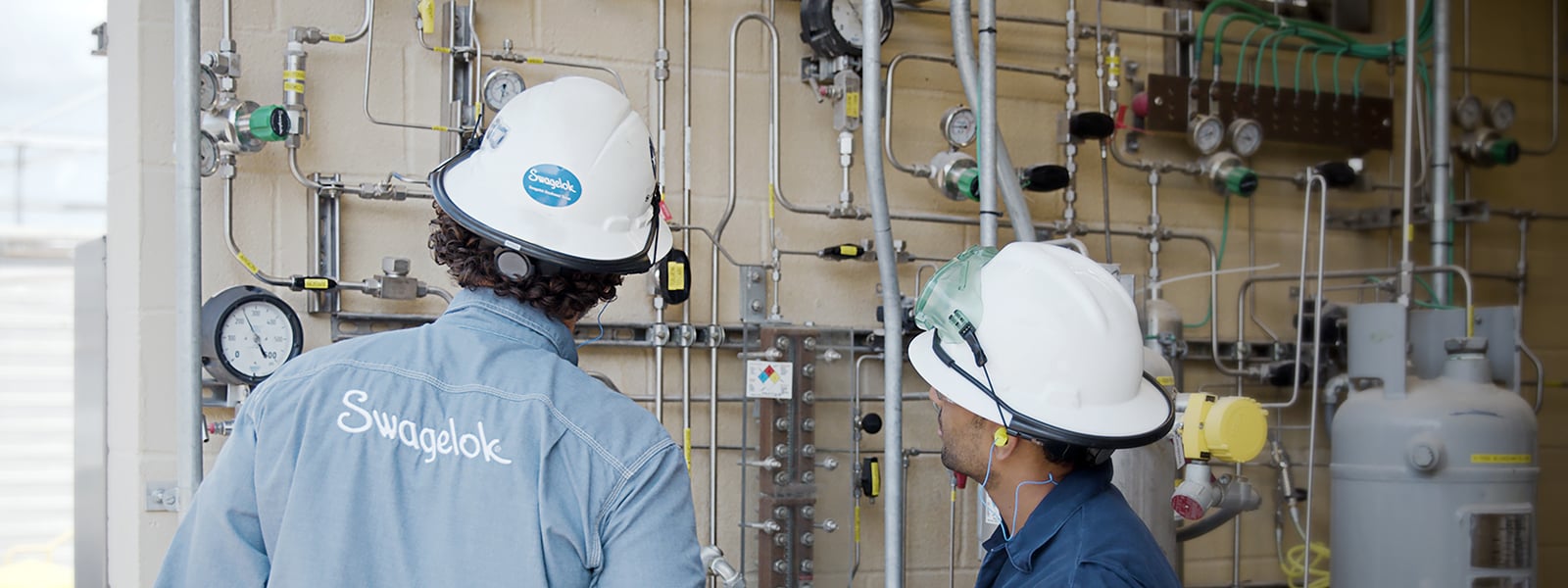
Every serviceable component should have an appropriate means of isolation and depressurisation where required.
Suitably located block-and-bleed arrangements at sample taps, and isolation valves positioned through the system, allow a technician to make a repair safely and without disrupting the wider process.
Systems without that level of isolation tend to reveal the gap the same way: the first time a technician has to shut down more than they should just to change a filter.
Fix: map isolation points against every serviceable component at the design stage, alongside the process and safety requirements that usually drive valve placement.
3. Replacement: is routine wear a five-minute job or a half-day one?

Filters block, seals wear, regulators drift. This is expected, not a fault, and it's a known quantity at design time.
What's harder to anticipate in advance is exactly how much clearance a real replacement will take once the system is installed alongside everything else in the cabinet or skid.
Standardised fittings, consistent orientation, and correctly sized working space around wear parts are what keep a routine swap routine.
Fix: specify component orientation and clearance around every wear item with replacement in mind, not just installation.
4. Troubleshooting: can a fault actually be traced?

Systems with accessible test points, logical tubing runs and clear labelling let a technician isolate a problem quickly. Systems without them turn a fault into a guessing game.
As discussed in our last article, when looking at analytical system design, that often means ruling out extraction point, transport, material and conditioning issues one at a time, with no shortcuts. This isn't a gap in the original design intent so much as a detail that's easy to leave off a spec focused on getting the sample flowing correctly in the first place.
Fix: build test points and clear labelling into the design, so a fault can be localised without stripping the system down to find it.
Where this all leads: downtime
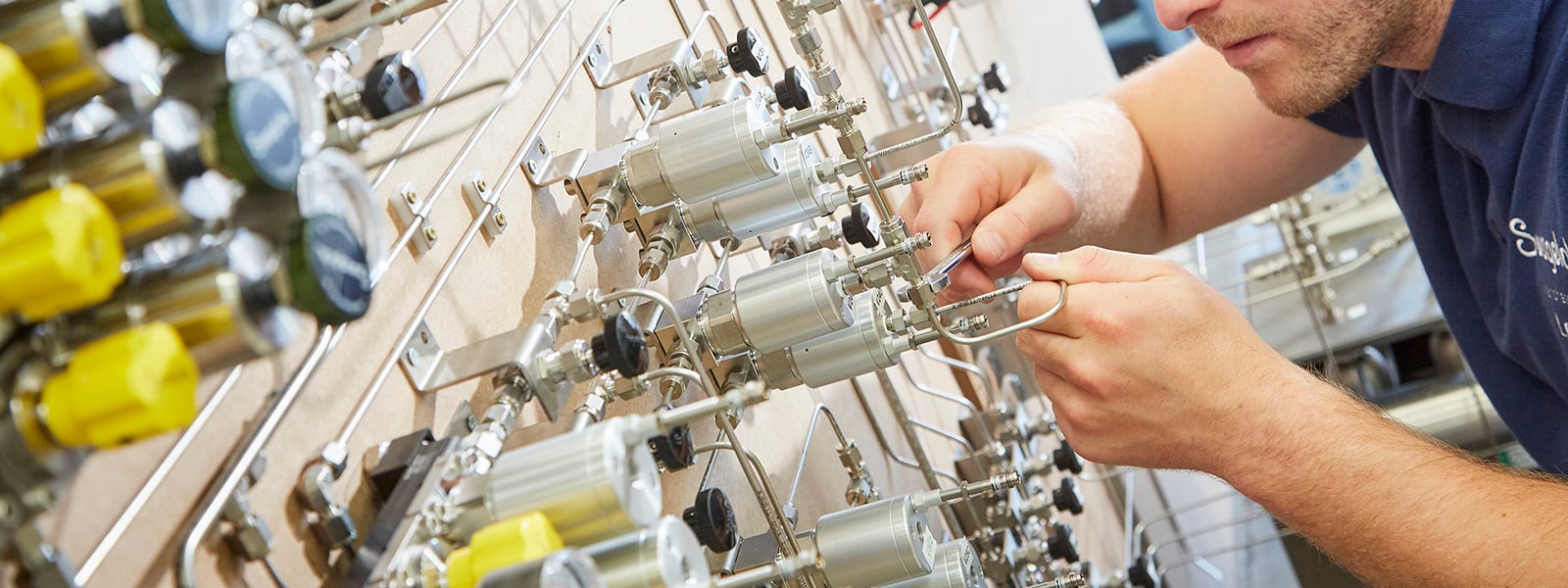
Access, isolation, replacement and troubleshooting all roll up into the same number: how long the system is out of service.
None of that reflects on the quality of the original engineering; a system can be excellent by every process and instrumentation measure and still be difficult to maintain, simply because maintainability wasn't yet one of the requirements on the table.
A maintenance-led review adds that requirement back in, on a system that's already doing its primary job well.