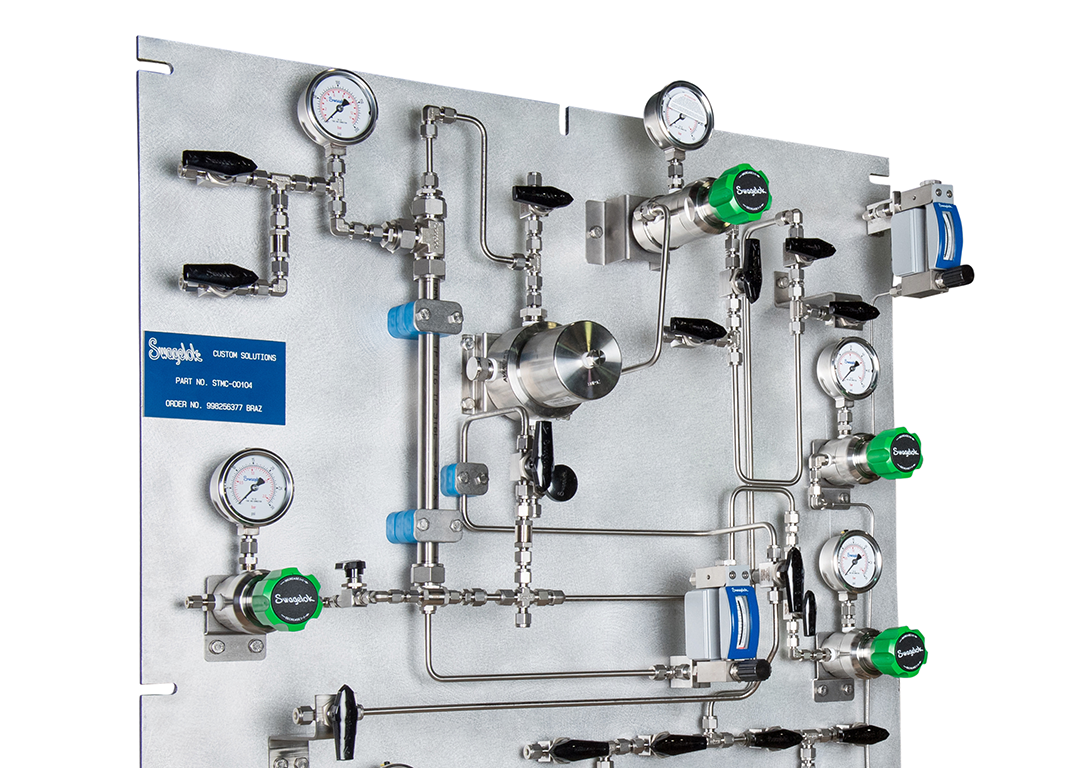

1. Transport delay: the sample arrives too late to be useful
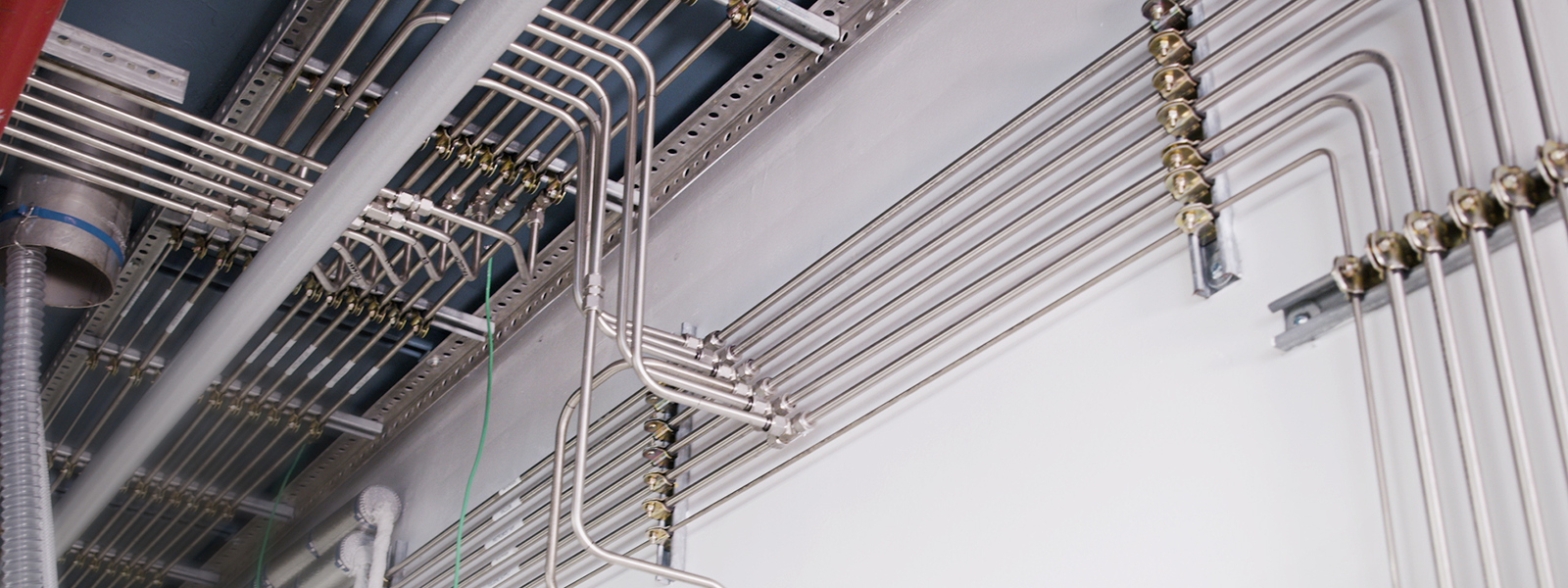
Every sampling system introduces some lag between the process extraction point and the analyser response. The important question is whether that lag is short enough for the measurement to remain useful for its intended purpose.
Sample transport delay can increase for several predictable reasons. Incorrect sample extraction location inherently has time delay, even if sample transport delay is zero. The sample takes time to travel through the process itself. Then you have process equipment that could further delay the sample representativeness like mixing volumes or larger diameter pipes leading to slower sample velocity.
Excessively long or large-diameter transport lines add internal volume that the sample must displace before a process change reaches the analyser. Poorly routed systems can also introduce dead legs: sections of tubing, pipe, or component cavities with little or no continuous flow. Samples can stagnate in these volumes and later diffuse or mix back into the flowing stream, contributing to delay, carryover and contamination.
The acceptable response time depends on the process and the purpose of the measurement. A delay of several minutes – or even hours in some liquid-vaporising systems – may mean the analyser is reporting on a process condition that has already changed.
Fix: Minimise unnecessary transport volume and simplify the sample path wherever practical. Eliminate unnecessary dead legs and consider high-flow fast loops where appropriate, allowing the bulk of the sample to move rapidly while only the flow required for analysis is diverted through the conditioning system.
2. Contamination: the sample picks up something it shouldn't
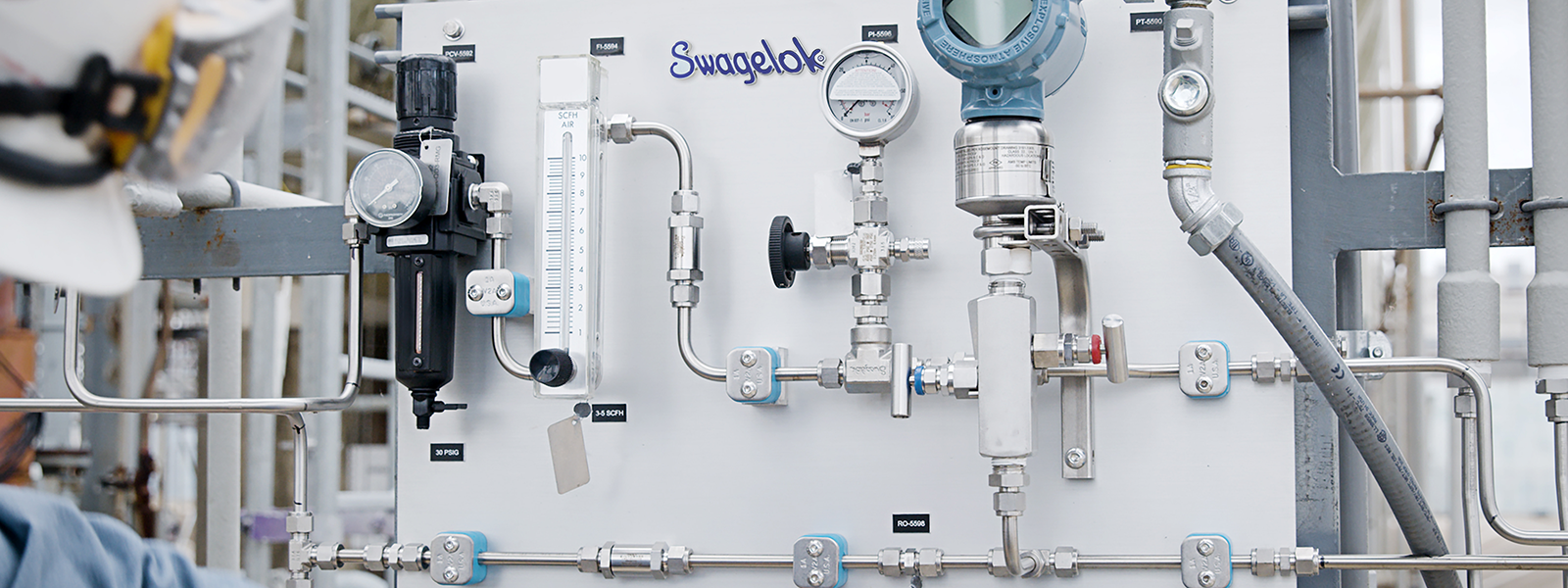
A representative sample should reflect the composition of the process at the point and time of sampling. Material introduced by the sampling system, or left behind from a previous sample or calibration cycle, can compromise that representation.
Two contamination routes are particularly important.
-
The first is residual carryover from dead legs and other poorly swept volumes. The same stagnant areas that contribute to transport delay can retain material and subsequently release it into the flowing sample. This can be particularly problematic when switching between streams with significantly different component concentrations.
- The second is cross-contamination from calibration gas or fluid. If calibration and process streams aren’t adequately isolated, leakage across valve seats can allow calibration material to enter the process sample path, or process material to enter the calibration system. Where the application requires it, a double-block-and-bleed arrangement provides additional isolation by allowing leakage past one isolation point to be safely relieved rather than entering the sample path.
Fix: Audit the system for dead legs and other poorly swept volumes, check directional components such as check valves, and ensure calibration and process streams have an isolation arrangement appropriate to the application.
3. Incorrect pressure and flow control: the sample changes before it's measured
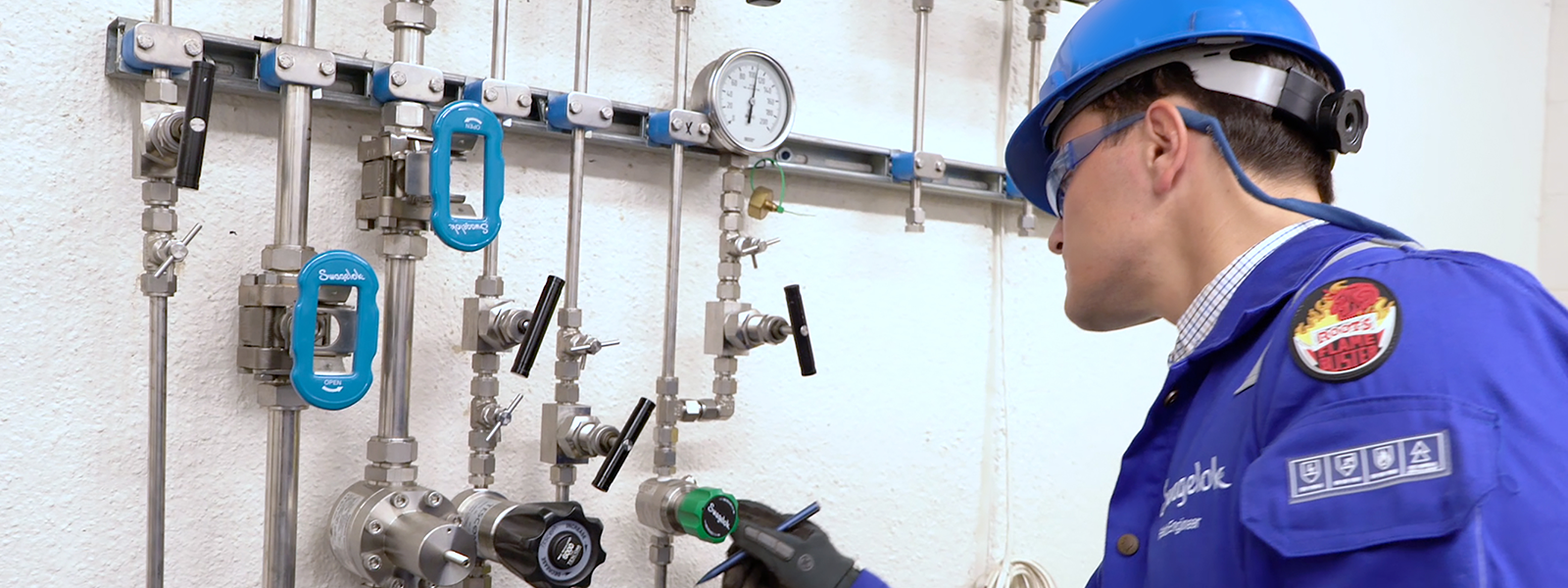
Pressure and flow influences transport time, phase behaviour and whether the sample reaching the analyser remains representative of the process.
An inappropriate pressure reduction in a liquid sample can remove dissolved gases or lighter components, changing the composition of the remaining liquid. Insufficient flow can also increase transport delay and, in samples containing suspended solids, contribute to deposition or blockage within the sample line.
Gas systems present different considerations. Gas density changes with pressure, so pressure control can have a significant effect on transport velocity and response time. Pressure and temperature must also be managed together to ensure the sample remains in the required phase throughout the system.
Fix: Select valves, regulators and tubing appropriately for the required pressure, flow and response time. Where pressure reduction is required, position and size the pressure-reduction stage with both phase behaviour and sample transport performance in mind.
4. Poor conditioning: the sample isn't in a state the analyser can handle
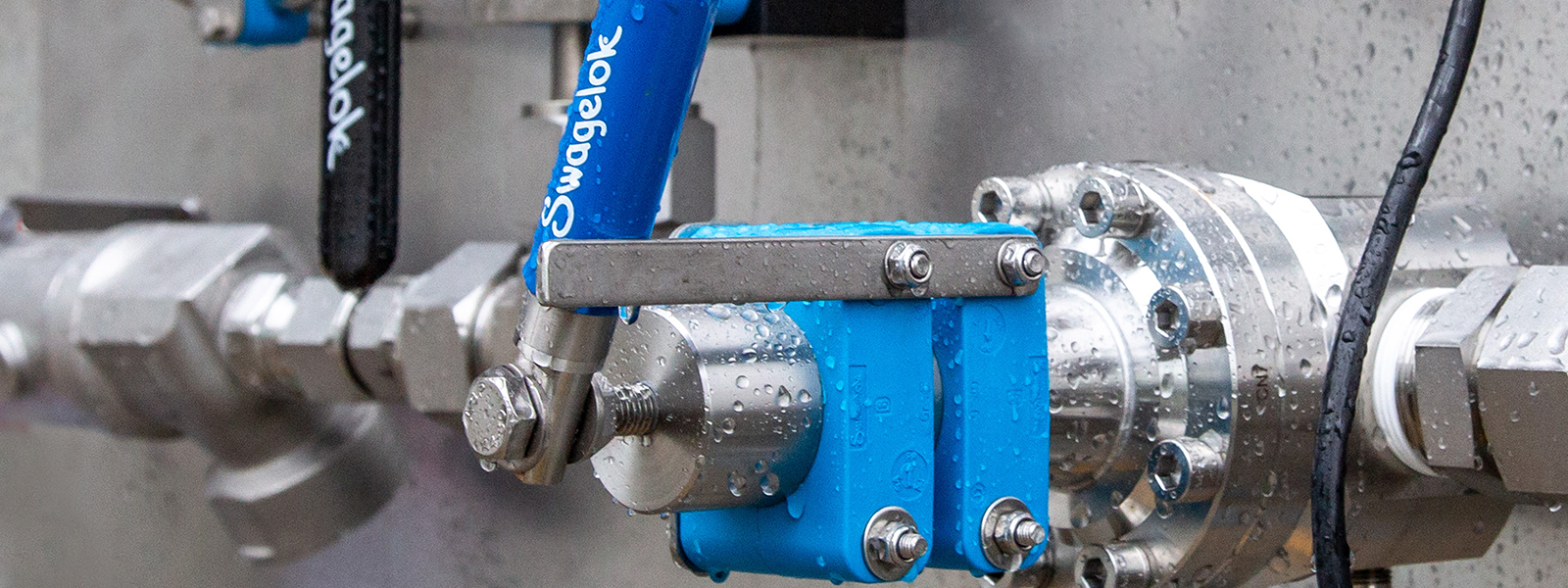
Even a timely, representative sample can produce unreliable analysis if its physical condition doesn’t match what the analyser requires.
Phase change is one of the biggest risks. If a gas sample reaches its dew point, components can begin to condense. If a liquid sample reaches its bubble point, lighter components can begin to vaporise.
In either case, the composition presented to the analyser may no longer represent the original process sample.
Good sampling-system design therefore maintains an appropriate temperature and pressure margin from the relevant phase boundary, taking normal variations in process and ambient conditions into account.
Where liquid droplets need removing from a gas stream, the separation method should also suit the type and size of liquid present. Gravity or inertial separation can be used for larger droplets, while coalescing devices are commonly used to remove fine liquid aerosols. Flow through separation equipment must be controlled appropriately for the device to operate effectively.
Temperature control is equally important. If a gas sample must remain heated to prevent condensation, the entire sample path needs to be considered. Cold spots can allow condensation to occur before the sample reaches the analyser.
Fix: Understand the phase behaviour of the sample, maintain an appropriate temperature and pressure margin from phase boundaries, select separation equipment for the expected liquid loading and droplet size, and avoid cold spots throughout temperature-controlled sample lines.
5. Installation issues: small errors, big consequences
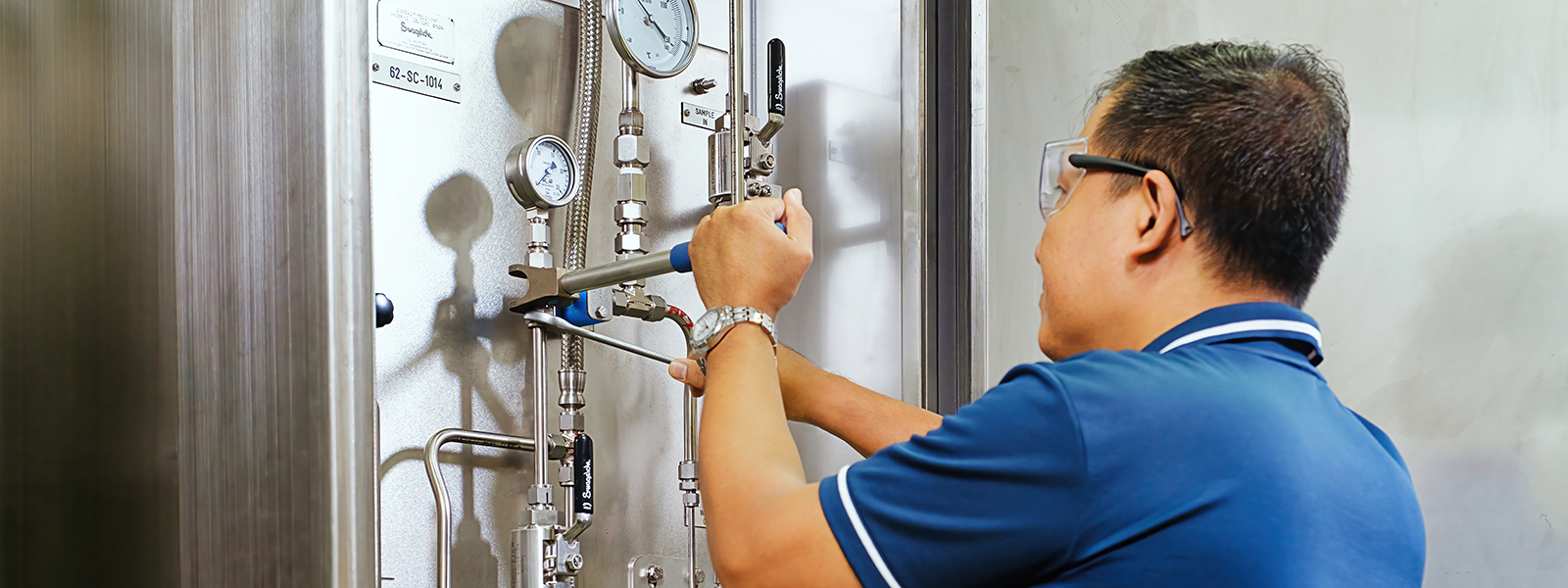
Some persistent sampling system problems don’t come from the original design flaws. They're from installation and commissioning errors.
For example:
- A check valve installed in the wrong direction can restrict or prevent the intended flow.
- Incorrectly connected fast-loop or bypass lines can prevent the system from achieving the intended sample flow and response.
These problems may not produce an obvious analyser alarm. Instead, they can appear as slow response, inconsistent readings or unexpected system behaviour.
Simplicity helps reduce these risks. A system with fewer unnecessary components, connections and flow paths is generally easier to install, commission, understand and troubleshoot.
Fix: Include commissioning checks that verify the actual flow path and flow direction through directional components. Where the application allows, favour simple, clearly defined sampling-system architecture.
6. Poor maintenance access: problems that go unnoticed
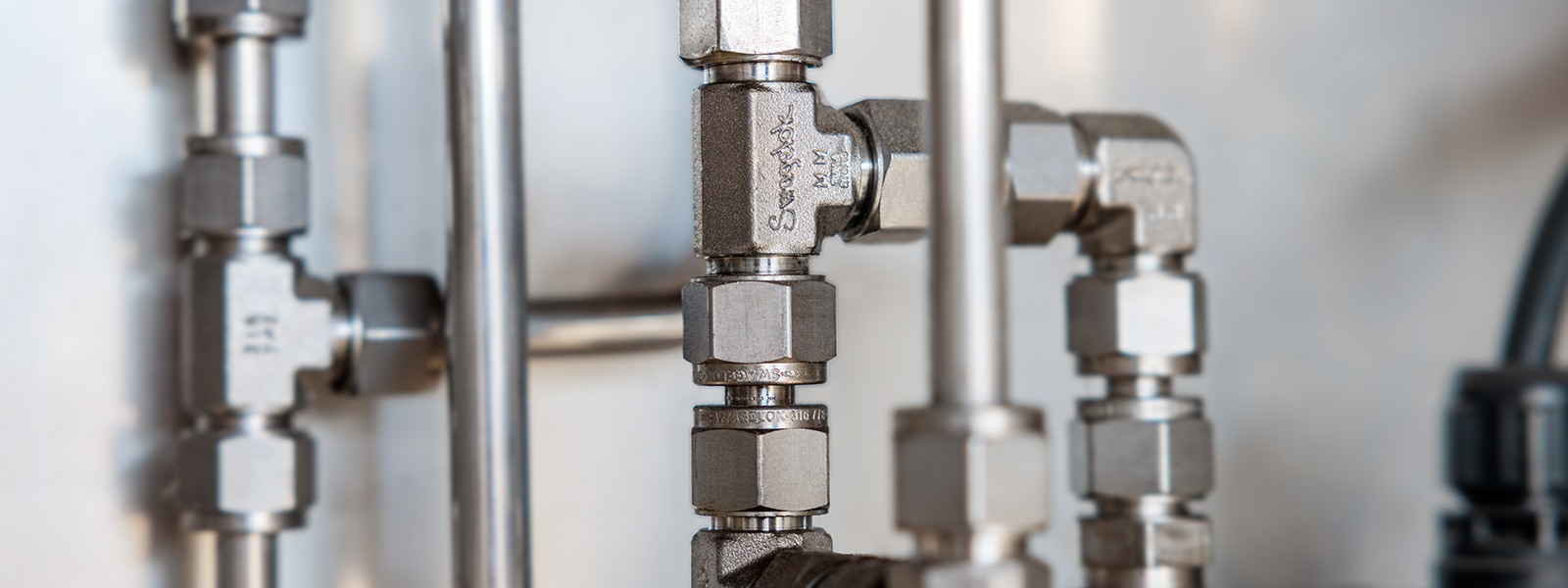
Sampling-system reliability doesn’t end with good design and installation. The system also needs to be inspected, maintained and serviced throughout its operating life.
If components are difficult to reach, there’s insufficient clearance for tools, or gauges and filters cannot be inspected easily, routine maintenance becomes more difficult. Problems such as partially blocked filters, regulator deterioration or fouled separation equipment may then go unnoticed until they begin to affect analyser performance.
Poor accessibility can also increase the time required to diagnose and repair faults, turning routine maintenance into more disruptive corrective work.
Compact and modular sampling-system designs can help improve accessibility where they reduce unnecessary tubing and components and provide a clearer, more serviceable layout. However, compactness alone is not enough: components still need sufficient clearance for inspection, adjustment and replacement.
Fix: Design for inspection and maintenance from the outset. Consider component access, tool clearance, visibility, isolation and replacement requirements when laying out the sampling system.