

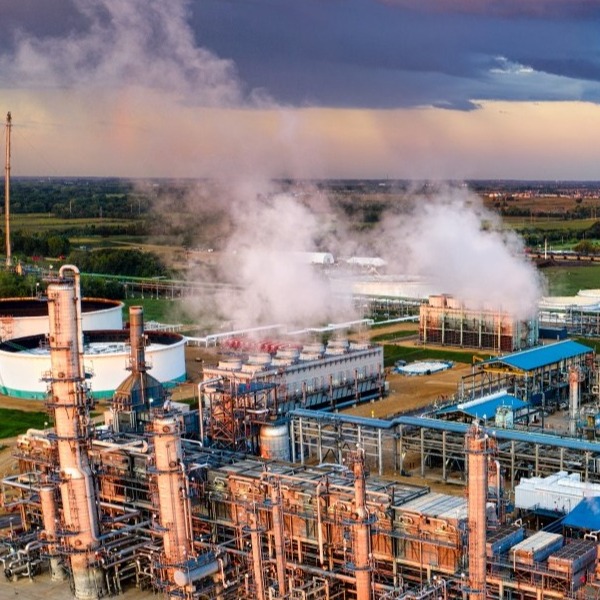
Minimise the costs of fugitive emissions with Low-E valve
Fugitive emissions are a growing concern in chemical and refining facilities, making effective management essential for protecting profitability and meeting regulatory requirements.

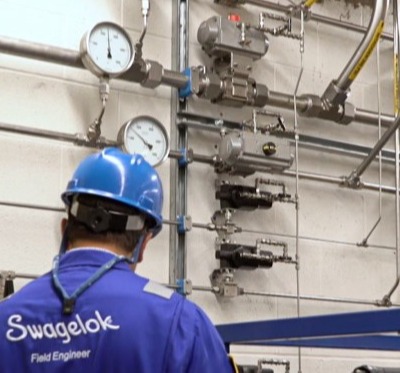
How to reduce your maintenance spend by improving gas distribution
Poorly designed gas distribution systems often lead to hidden leaks, difficult maintenance access, and frequent component replacement, driving up downtime and labour costs. By improving system design with clearer layouts, better labelling, modular components, and high-quality regulators and fittings, facilities can significantly reduce maintenance time, eliminate unnecessary disassembly, and prevent costly gas losses.

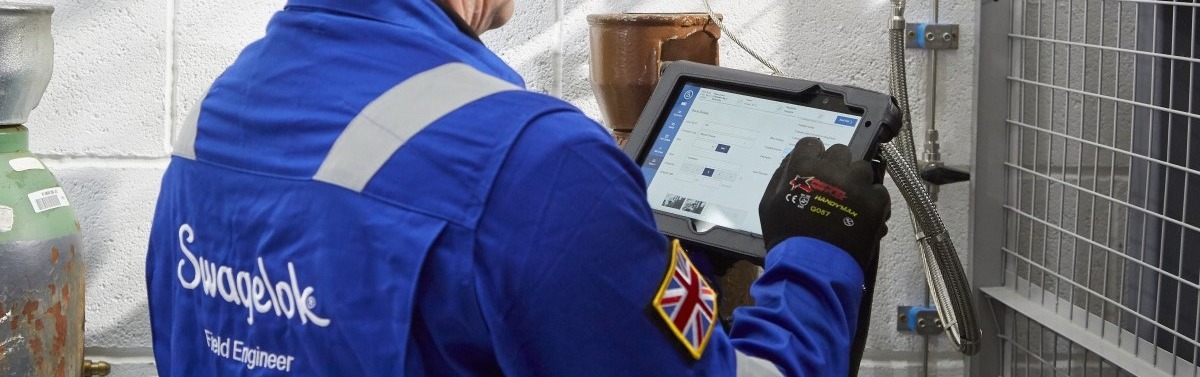
Reducing costly fluid system leaks and emissions
Fluid leaks, often hidden at fittings, valves, and connections can drive up costs, energy loss, downtime, and emissions. By improving installation practices, using high-quality leak-tight components, and adopting proactive leak detection and system design improvements, facilities can reduce fugitive emissions, improve safety, and protect operational efficiency and profitability.

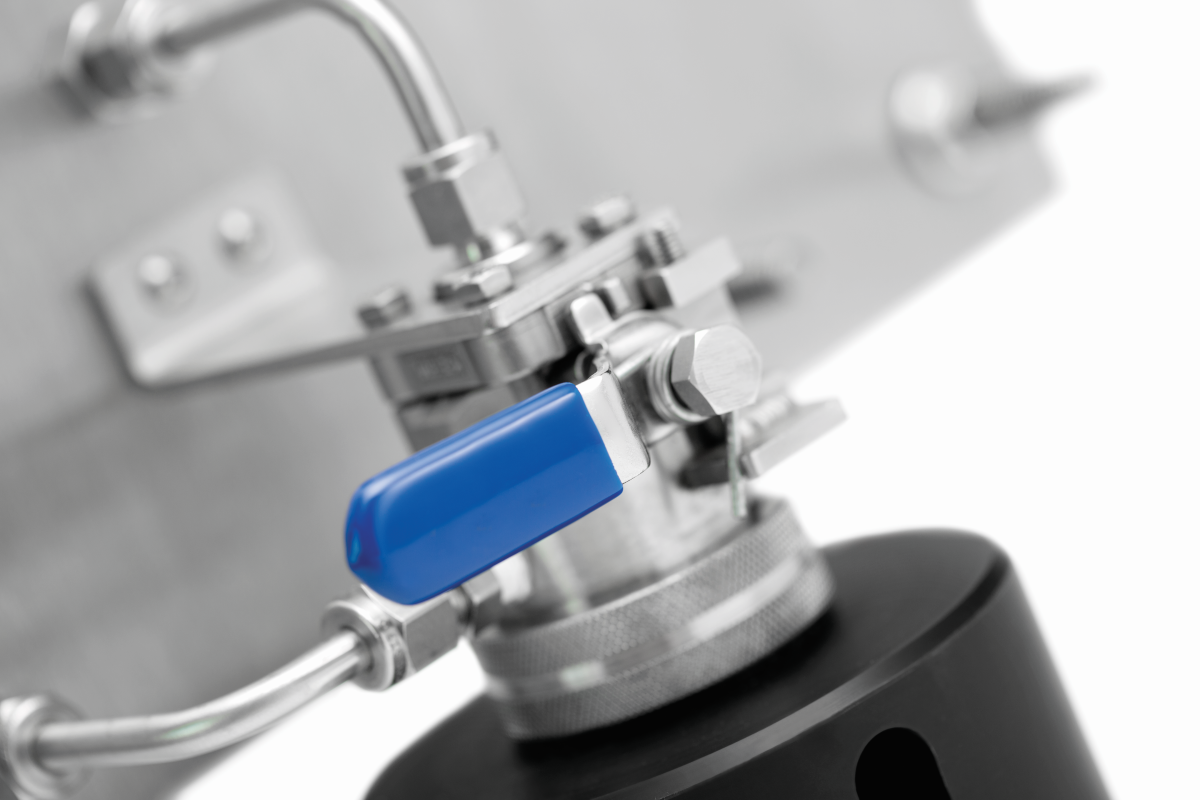
Best practices for sampling gases and volatile liquids
Accurate sampling requires maintaining true process conditions by preventing phase changes, ensuring samples are taken from representative pipeline locations, and minimising time to analysis. Using properly purged, pressurised sample cylinders, correct filling techniques, and safe, standardised procedures helps ensure sample integrity, reduce contamination, and improve safety and reliability of results.

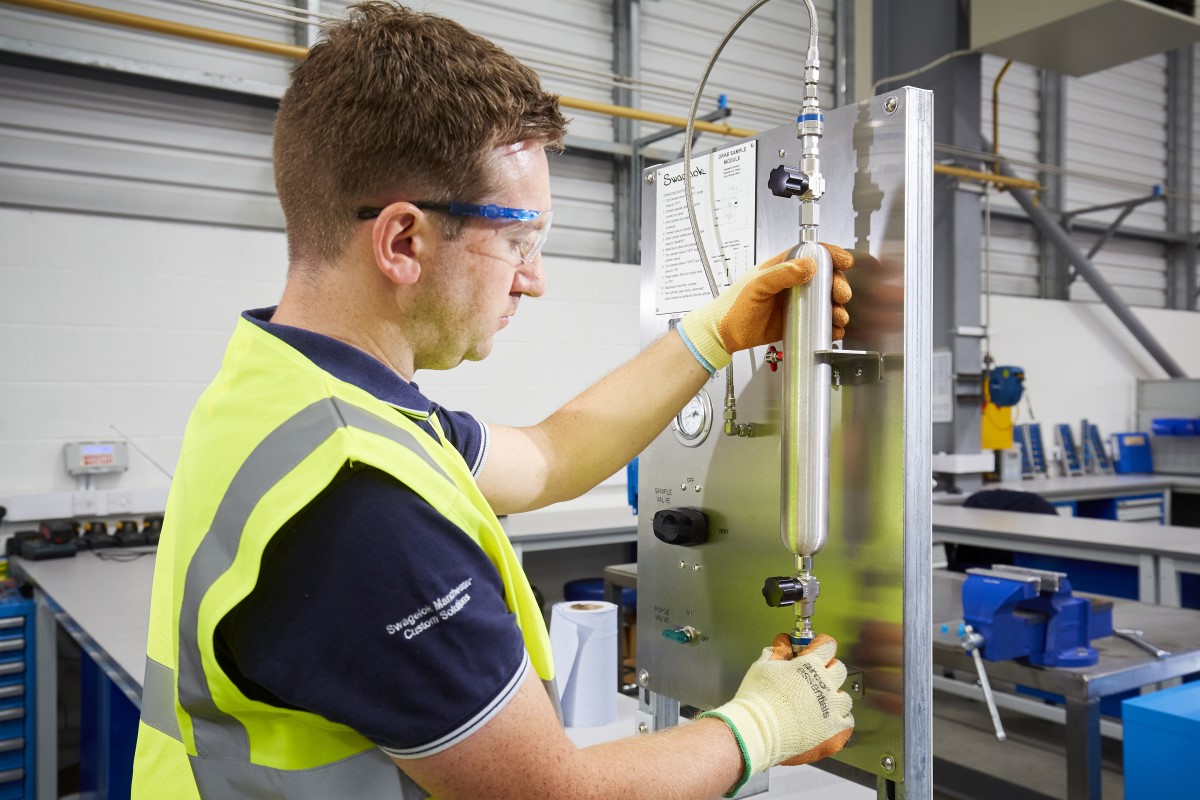
How to improve grab sampling accuracy & safety
Grab sampling issue, such as poor sample location, contamination, phase changes, and inconsistent handling—can lead to unreliable results and safety risks. Improving system design with proper sampling points (often using probes), minimising dead volumes, ensuring correct flushing/purging, and using suitable pressure-rated containers helps maintain sample integrity. Consistent procedures, safer handling methods, and better panel layout also reduce errors and improve accuracy, safety, and overall system performance.

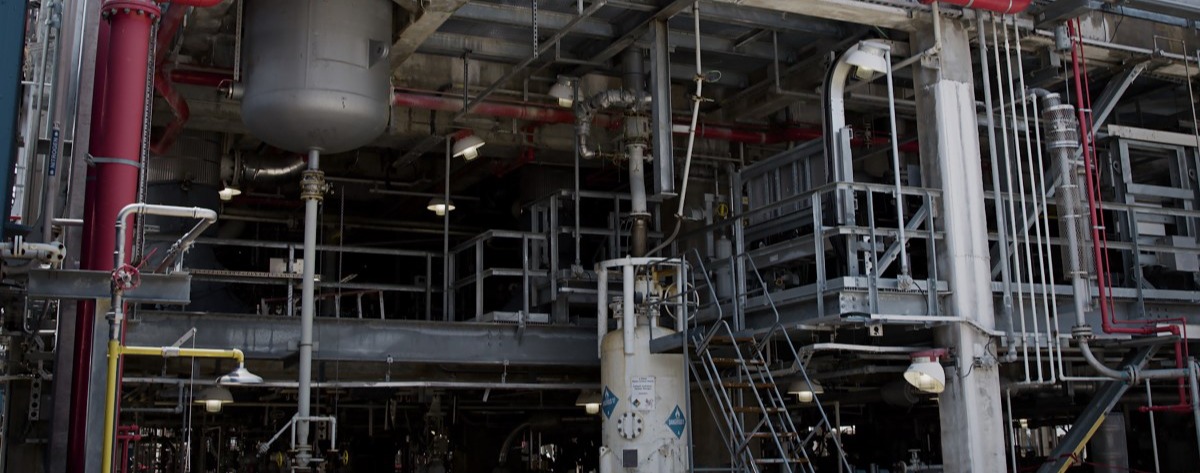
Optimising medium-pressure oil and gas assets with compression fittings
Optimise medium-pressure oil and gas systems with advanced compression fittings designed to improve installation efficiency, reduce maintenance, and enhance long-term reliability in demanding offshore and refinery applications. Discover how FK series fittings can help minimise downtime, reduce leak risks, and lower total cost of ownership.


Maximise deepwater well performance in demanding offshore environments
Discover how custom engineered fluid system solutions can help improve deepwater well reliability, reduce operational risk, and support safer, more efficient offshore production in challenging environments.

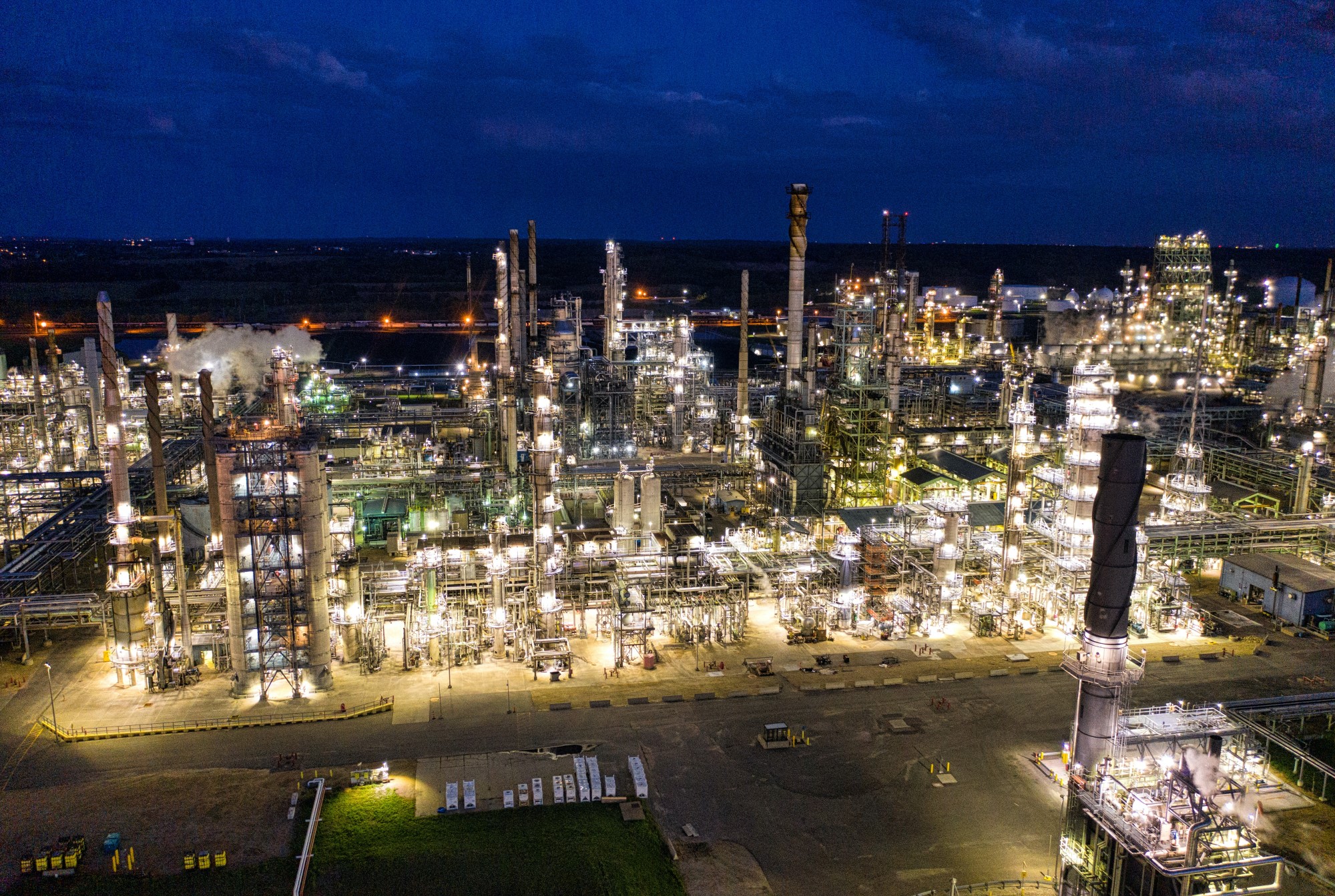
Benefits of standardising fluid system components in large-scale oil & gas projects
Discover how standardising fluid system components across major projects can reduce complexity, improve installation consistency, and help EPCC contractors work to the same specifications. Learn how a unified approach supports safer operations, simplified maintenance, and long-term project efficiency.

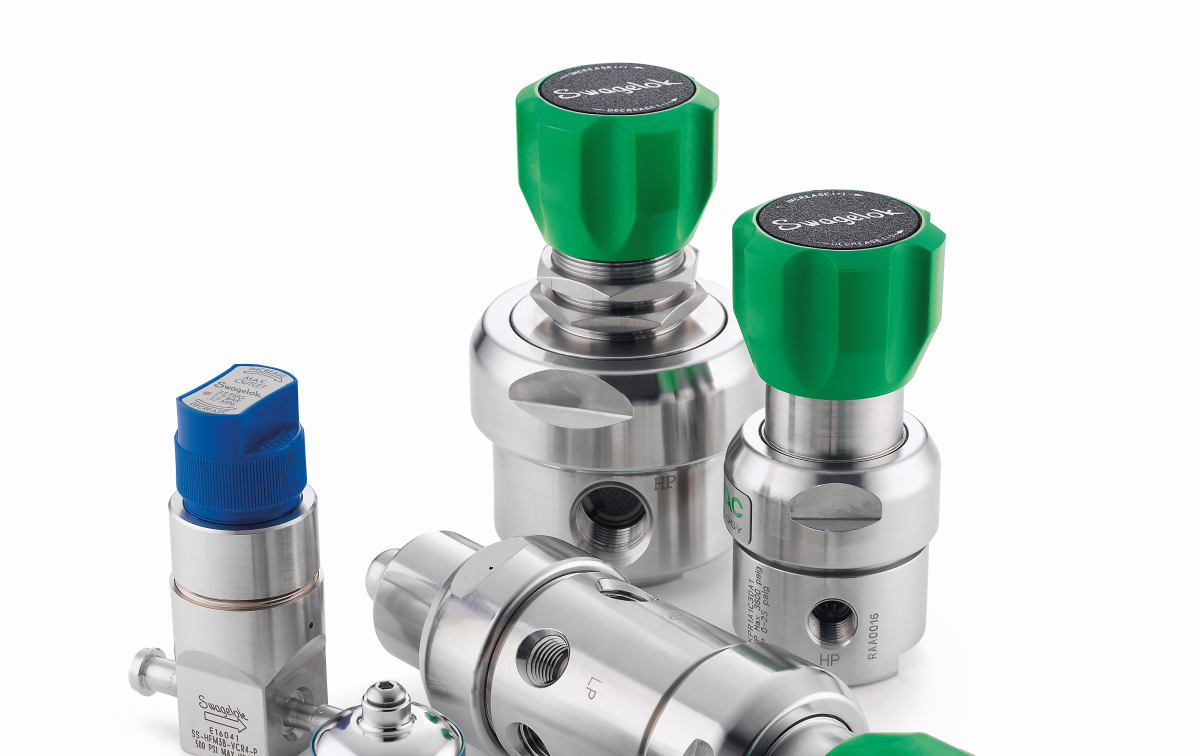
Choosing the right type of pressure regulator for your application
Explore how different regulator designs and key performance features can help you achieve optimal pressure control, improved system stability, and long-term operational efficiency across your process or analytical system.

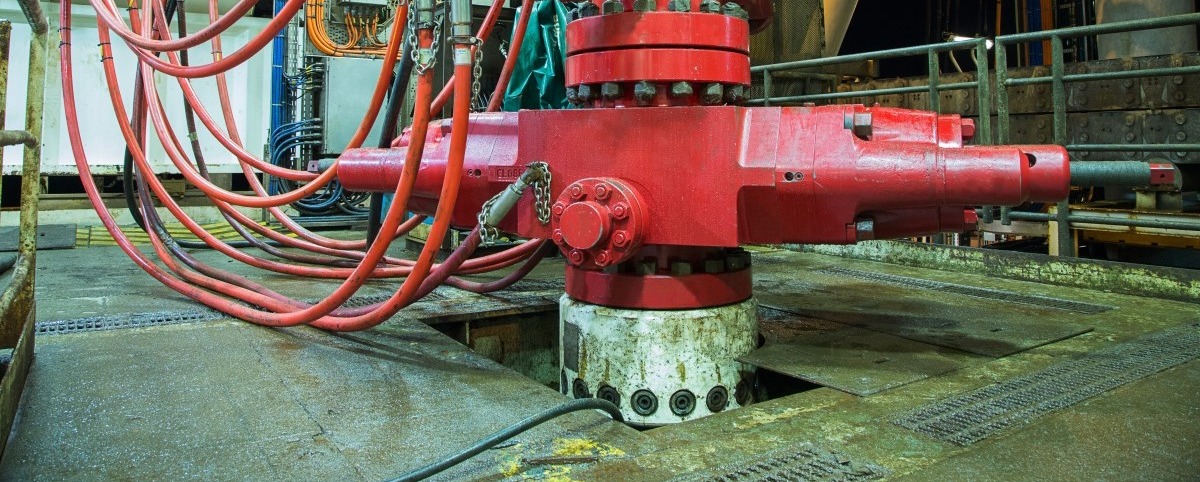
Improving reliability in deepwater well operations with custom-engineered solutions
Deepwater and ultra-deepwater oil and gas operations are being pushed to new limits, with increasing depths driving significantly higher system pressures, often exceeding 20,000 psi. As these conditions become more common, fluid system components must be engineered to perform reliably under extreme environments.

-61.jpeg?width=675&height=675&name=Photography%20Manufacturing%20(no%20people)-61.jpeg)
Enhancing safety and efficiency with optimised fluid system materials
Optimise safety and reduce operational costs by selecting the right materials for your fluid systems. Learn how engineered material choices can improve corrosion resistance, extend component life, and enhance overall system reliability in demanding industrial environments.